Introduction
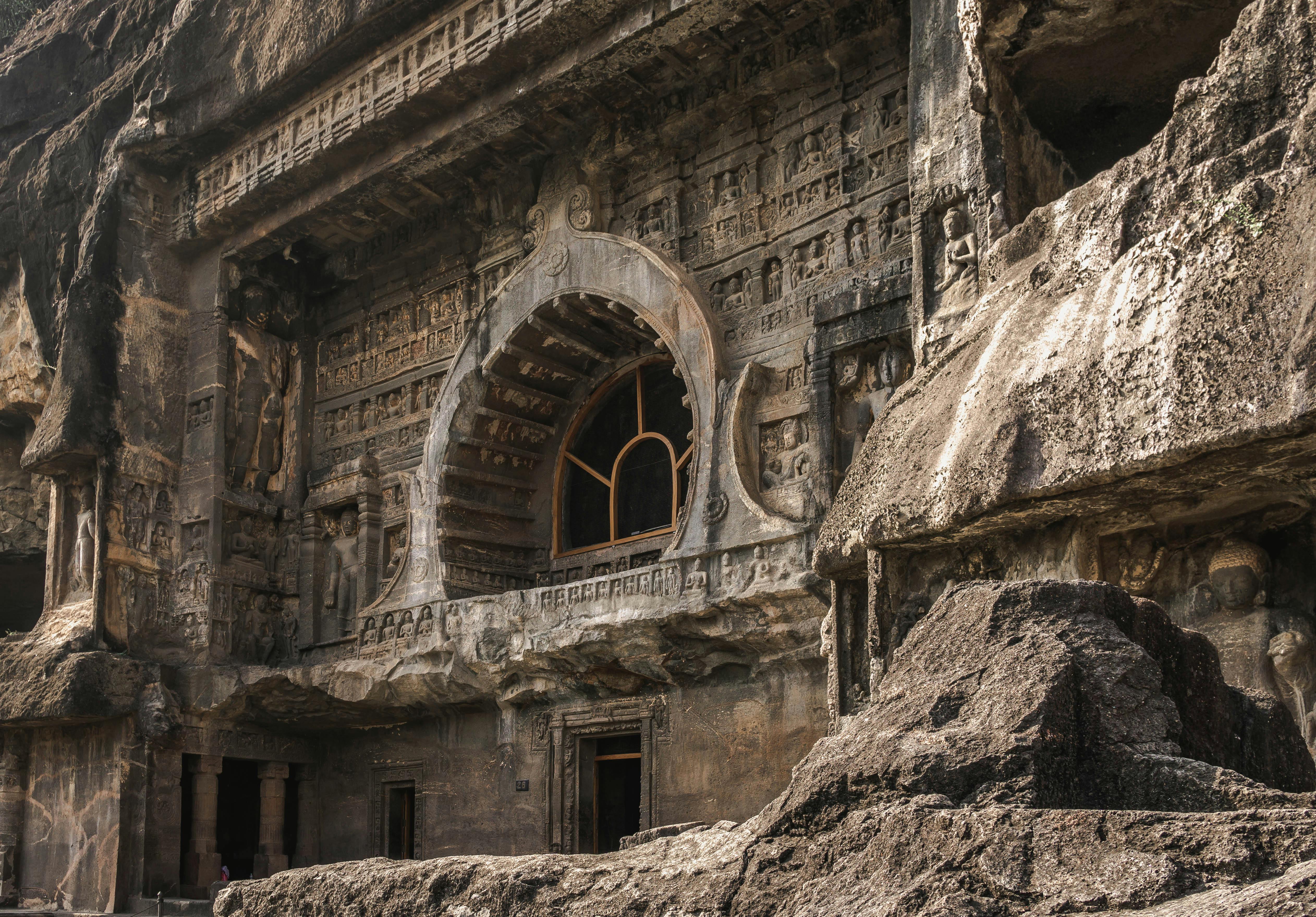
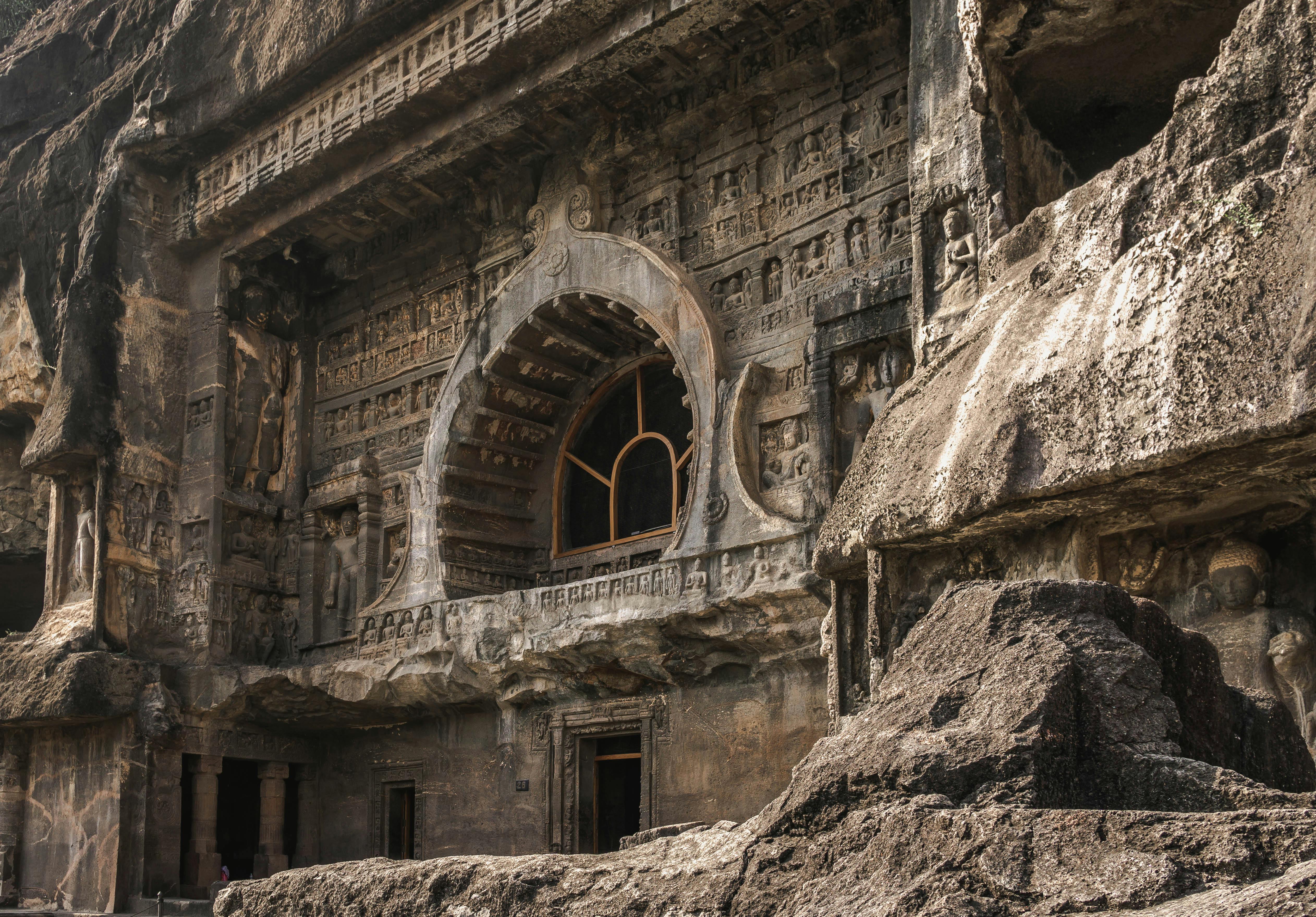
Ajanta Caves and Ellora Caves are among the most remarkable historical and cultural treasures of Maharashtra. These UNESCO World Heritage Sites are famous for their magnificent rock-cut caves, ancient sculptures, and breathtaking architecture that reflect India’s rich artistic and spiritual heritage. Ajanta is renowned for its beautifully painted Buddhist caves, intricate murals, and peaceful monastic atmosphere, while Ellora is celebrated for its extraordinary blend of Buddhist, Hindu, and Jain monuments carved into massive basalt cliffs. The world-famous Kailasa Temple at Ellora stands as a masterpiece of ancient Indian engineering and devotion. Surrounded by scenic landscapes and deep historical significance, Ajanta and Ellora attract travelers, historians, pilgrims, and art lovers from across the world, offering a unique journey into India’s glorious past.
History
The history of Ajanta Caves and Ellora Caves reflects the rich cultural, religious, and artistic evolution of ancient India. Ajanta Caves were built between the 2nd century BCE and the 6th century CE, mainly as Buddhist monasteries and prayer halls. These caves were created in two phases and served as an important center for Buddhist learning, meditation, and worship. The walls of Ajanta are famous for their beautiful frescoes and paintings that depict the life of Lord Buddha, Jataka tales, and scenes from ancient Indian society.
Climate & Weather
Summer (March to June):
Summers are usually very hot, with temperatures often ranging between 35°C to 42°C. April and May are the hottest months, and sightseeing during afternoon hours can be tiring. Current conditions are very warm, with highs around 39–41°C and little to no rain expected this week. (Skymet Weather)
Monsoon (June to September):
The monsoon season brings moderate rainfall and makes the surrounding landscape greener and more beautiful. The caves look especially scenic during this time, though some travel may become slightly difficult due to slippery paths and rain showers.
Winter (October to February):
Winter is the best and most pleasant season to visit. Temperatures remain comfortable between 12°C to 28°C, making it ideal for exploring the caves, photography, and local sightseeing. Clear skies and cool weather attract the maximum number of tourists during this period. Winter is widely recommended as the best season for visiting Maharashtra destinations. (Travel + Leisure Asia)
Transportation
Please select a transportation mode to view details
Facilities
Parking Facility:
Spacious parking areas are available for private vehicles, tourist buses, and taxis near both destinations. Parking is generally well-managed, especially at Ajanta.
Ticket Counter & Entry Management:
There are proper ticket counters at the entrance along with visitor management systems. At Ajanta, shuttle bus services are available from the parking area to the main cave complex, helping visitors reach the site conveniently. Visitors often note that Ajanta’s parking-to-ticketing area and shuttle service are well maintained. (Reddit)
Food & Refreshments:
Food stalls, small restaurants, drinking water points, and refreshment counters are available near the entrance areas. Visitors can also find snacks and cold water near the main gate. (Reddit)
Guide Services:
Local guides and tour operators are available for guided tours, helping visitors understand the history, paintings, sculptures, and significance of the caves in detail.
Resting Areas:
Benches and shaded waiting areas are available in some sections for senior citizens and families, though additional shaded seating has also been requested for better comfort. (ThePrint)
Security & Safety:
Security staff, visitor regulation, and surveillance systems are present. Recently, special safety measures like crowd control and protective caps were provided during bee-relocation operations near Ajanta caves for tourist safety. (The Times of India)
Local Transport Support:
Auto-rickshaws, taxis, buses, and eco-transport options are available nearby for easy movement between attractions and nearby destinations.
Frequently Asked Questions
Popular Activities
Photo Gallery